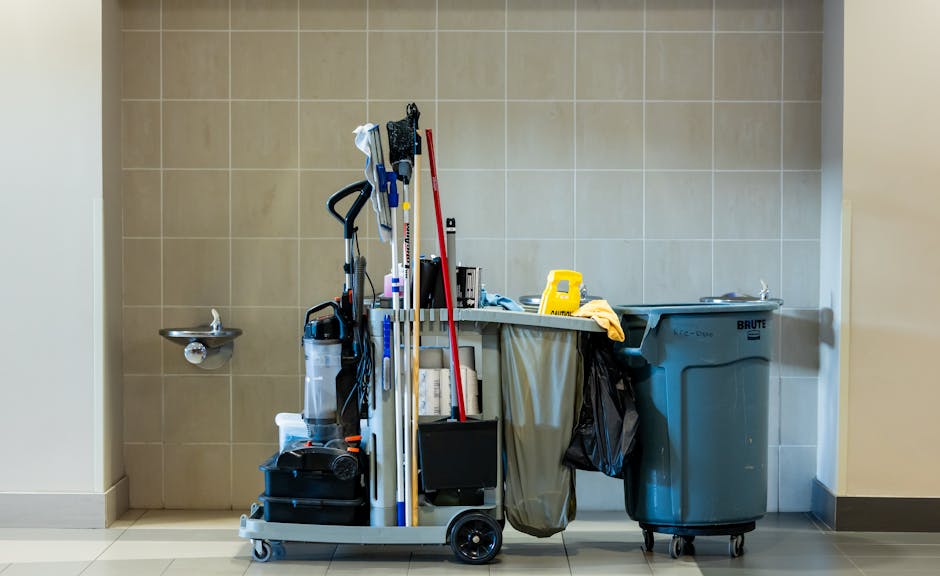
Harrow Council skip and bulky waste rules for cleaners HA2: a practical guide for cleaners, landlords and households
If you clean homes, manage end-of-tenancy turnarounds, or run a small cleaning team in HA2, Harrow Council skip and bulky waste rules can be the difference between a smooth job and a messy problem. One overloaded hallway, one awkward mattress, one forgotten bag of rubble - and suddenly you are dealing with delays, extra charges, or complaints. Not ideal.
This guide explains the Harrow Council skip and bulky waste rules for cleaners HA2 in plain English. You will learn how bulky waste usually works, what cleaners should check before touching rubbish or cleared items, where skips fit into the picture, and how to stay on the safe side without making the job harder than it needs to be. There is a lot of confusion around this topic, to be fair, because "bulky waste", "skip hire", "house clearance", and "waste removal" often get mixed together. They are not always the same thing.
We will keep it practical. If you are a cleaner, landlord, letting agent, or homeowner in HA2, this should help you decide what you can move, what needs proper disposal, and when it is smarter to bring in a specialist service such as house clearance or a cleaning company that understands local compliance and waste handling expectations.
Why Harrow Council skip and bulky waste rules for cleaners HA2 Matters
For cleaners working in HA2, waste is never just waste. A job might start as a standard deep clean and end with broken shelving, an old mattress, stained carpets, or a pile of mixed rubbish left behind by tenants. That is where the rules matter. If you misunderstand them, you can accidentally create extra costs for the client, or worse, remove items in a way that causes a compliance problem.
Harrow Council bulky waste arrangements are especially relevant when a property has items too large for ordinary household bins. Cleaners are often the first people to notice those items, even if they are not the ones arranging removal. In practice, that means you need to know how to separate cleaning from waste disposal. A cleaner can clear surfaces, bag light waste, and prepare a space. But actual bulky waste collection or skip use may need to be arranged carefully by the property owner, landlord, or manager.
There is also the reputational side. Let's face it, if you are cleaning after tenants move out and the hallway is stacked with old furniture, the client expects you to be calm and organised. They do not want a "who is responsible for this?" conversation halfway through the morning. Clear guidance helps you keep the job moving, keeps everyone happier, and makes the finish look more professional.
For cleaning businesses in London, good waste practice also supports broader service quality. If your work regularly includes heavier clear-outs, you may want to look at services like end of tenancy cleaning, deep cleaning, or after builders cleaning, because these jobs often come with more debris, packaging, or bulky leftovers than a standard domestic clean.
How Harrow Council skip and bulky waste rules for cleaners HA2 Works
The practical version is simple: bulky items and skip waste are usually handled differently from normal cleaning waste. Ordinary waste from a clean - dust, packaging, cloths, small bagged rubbish - is one thing. Large items like beds, wardrobes, broken appliances, or heavy building offcuts are another. Cleaners in HA2 should treat those items as a separate decision point, not just "stuff to get rid of".
Here is how it usually plays out on the ground:
- Small cleaning waste is bagged and disposed of through the property's normal waste arrangements, where appropriate.
- Bulky waste is identified early so the client can arrange a proper collection or removal method.
- Skips are used when the quantity or type of waste is too much for regular bins or bagged removal.
- Special items such as electricals, sharp objects, or contaminated waste may need extra care and cannot be treated casually.
If you are cleaning a home, flat, or shared property in HA2, the key question is not "can we throw this out?" but "what is the correct route for this item?". That one shift in thinking prevents a lot of headaches.
Skips are usually for bigger jobs: renovation debris, heavy clear-outs, full-room strip-outs, or repeated waste during longer projects. Bulky waste collections are usually better for a small number of large household items. A cleaner does not need to become a waste expert overnight, but they do need to spot the difference fast.
That is where a strong local cleaning provider helps. A team that understands domestic cleaning, one-off cleaning, and house cleaning will usually know when a standard clean ends and a disposal problem begins.
Key Benefits and Practical Advantages
Following the right skip and bulky waste approach is not just about avoiding trouble. It actually makes the cleaning job better. Cleaner, faster, safer. Pretty straightforward, really.
| Benefit | Why it matters for cleaners | What it looks like in practice |
|---|---|---|
| Fewer delays | You avoid stopping work to guess where large waste should go | The team finishes the clean on time because disposal was planned early |
| Less client confusion | The client understands what is included and what is separate | No awkward mid-job surprises about old furniture or heavy rubbish |
| Safer working conditions | Lifting, carrying, and moving items is handled sensibly | Fewer strained backs, fewer sharp-object incidents |
| Better compliance | You are less likely to mishandle waste or use the wrong disposal route | Items are sorted before they become a problem |
| Cleaner end result | The property looks properly finished, not half-cleared | A room feels ready for guests, buyers, tenants, or a handover |
There is also a trust benefit. Clients notice when a cleaner knows what they are doing. A tidy process around waste often reads as professionalism, even if they never say it out loud. You will notice that in end-of-tenancy work especially. A landlord may not remember the dusting technique, but they will remember that the old junk was handled neatly and clearly.
For businesses that want to align cleaning with sustainability and proper disposal habits, the website's recycling and sustainability approach is a helpful signal that waste is being treated thoughtfully rather than casually dumped.
Who This Is For and When It Makes Sense
This topic matters to a surprisingly broad group of people in HA2. It is not just for people moving house. The moment bulky items appear, the question becomes relevant.
- Domestic cleaners who find excess rubbish, broken household items, or leftover clutter.
- End-of-tenancy cleaners dealing with abandoned belongings or last-minute clear-outs.
- Landlords and letting agents who need properties ready for re-let quickly.
- Homeowners planning a clean-up before redecorating or selling.
- Office cleaners clearing old chairs, boxes, or equipment from workspaces.
- Building and post-renovation teams who need a sensible disposal plan alongside the clean.
It also makes sense when the job has one of those "small at first, bigger by the minute" situations. A client may say, "It is only a few items." Then you arrive and find a sofa, two shelving units, and a broken vacuum in the back room. That is a very different job from moving a couple of bin bags. Not a disaster, just a different plan.
If the property is heavily cluttered or there are multiple rooms to clear, a specialist route may be more suitable than a standard clean. In those cases, a service like house clearance can be the more sensible fit, while routine maintenance can stay within home cleaners or regular domestic support.
Step-by-Step Guidance
If you are working in HA2 and want to stay organised, use this simple process. It is not glamorous, but it works.
- Walk the property first. Before lifting anything, check what is there. Look for large items, sharp objects, liquids, broken glass, and anything that might be contaminated.
- Separate normal cleaning waste from bulky items. Cloths, packaging, and small rubbish bags are not the same as a mattress or wardrobe.
- Ask who is responsible for disposal. The cleaner should not assume the waste will magically disappear. Usually the property owner, landlord, or manager needs to authorise the next step.
- Decide whether a skip or collection is needed. If the waste volume is large, a skip may be more appropriate. If it is a few large items, bulky waste collection may be better.
- Check access and lifting routes. Narrow stairwells, parking restrictions, and awkward corners matter more than people think.
- Protect the property. Use sensible handling, avoid dragging items across floors, and keep wet or dirty waste away from clean areas.
- Document anything unusual. A quick note or photo helps if the client later asks what was left, moved, or refused.
- Finish the clean after waste is addressed. That order matters. Otherwise you may clean twice, which nobody enjoys.
On jobs where waste and grime are both part of the story, the best results often come from combining waste planning with the right cleaning service. For example, a post-tenancy flat may need carpet care through carpet cleaning and window cleaning after the main clear-up, so the place feels properly reset rather than merely emptied.
Expert Tips for Better Results
In our experience, the jobs that go smoothly are the ones where waste is discussed early, not at the point where everyone is already tired and a bit dusty. A few small habits make a big difference.
- Always confirm the scope in writing. If the job includes item removal, spell it out. If it does not, say so clearly.
- Do a quick risk check before touching bulky items. Old furniture can hide nails, screws, mould, or pests. Lovely. Really lovely.
- Keep separate bags for sharp or contaminated waste. Do not mix everything together out of convenience.
- Use the right service for the right job. A simple clean is not the same thing as clearance, and pretending otherwise usually costs time.
- Protect hallways and floors. If an item is heavy, get help and use proper moving practices. The damage from dragging one sofa can dwarf the original problem.
- Plan timing around access and neighbours. Flats, shared entrances, and busy roads in HA2 can make disposal more awkward than expected.
One practical tip that gets overlooked: if you are already arranging a deeper clean, check whether the property also needs specialist attention in specific areas. oven cleaning, upholstery cleaning, or hard floor cleaning can be the finishing touches that turn a rushed turnaround into a proper reset.
And yes, sometimes the best tip is simply this: do not promise to remove something unless you know exactly how it will be removed. Sounds basic. Saves a lot of stress.
Common Mistakes to Avoid
These are the errors that cause most headaches for cleaners and clients. They are common, but very avoidable.
- Assuming all waste can go in one pile. Mixed waste often needs sorting.
- Ignoring ownership of items. Not every item left in a property is automatically yours to move or discard.
- Leaving bulky waste until the end. That usually creates bottlenecks and makes the finished clean look incomplete.
- Forgetting access issues. A skip may be fine in theory but impossible in practice if the road layout, parking, or property access is awkward.
- Overlooking hazards. Broken glass, damp waste, heavy boxes, and old appliances need more care than a normal bag of rubbish.
- Using the wrong service type. Trying to solve a clearance issue with a standard domestic cleaning visit can backfire.
A lot of these mistakes happen because people rush. The property looks messy, the client wants a quick answer, and the pressure is on. Fair enough. But a quick wrong answer is usually more expensive than a slightly slower correct one.
Tools, Resources and Recommendations
You do not need fancy equipment to handle this well, but a few basic tools make the work safer and cleaner.
- Heavy-duty rubbish bags for standard cleaning waste.
- Gloves for handling unknown or dirty items.
- Moving straps or a trolley for heavier furniture, if appropriate.
- Floor protection such as blankets or covers when moving items through the property.
- Labels or simple notes to separate items that should stay, be removed, or be reviewed by the client.
- A camera or phone for quick visual records before and after.
For clients who want cleaner spaces after a clear-out, it may help to combine the waste plan with a broader maintenance package. Depending on the property, that might include office cleaning for commercial spaces, one-off cleaning for single-event resets, or deep cleaning where surfaces need more than a quick tidy.
One final recommendation: if the job is already complex, bring in a provider with clear terms, fair pricing, and proper insurance rather than improvising. Pages like insurance and safety, terms and conditions, and pricing and quotes are exactly the kind of thing a careful client should review before booking. It is boring reading, maybe, but very useful reading.
Law, Compliance, Standards, or Best Practice
This area touches waste handling, so it should be treated carefully. The exact Harrow Council arrangements can change over time, and the details for skip permits, bulky waste collections, and accepted items may differ depending on the situation. Because of that, cleaners should avoid guessing. The safest approach is to work to current local rules, follow the property owner's instructions, and keep a clear boundary between cleaning and disposal unless disposal has been agreed and properly arranged.
Best practice for cleaners in HA2 usually includes the following:
- Do not remove items you have not been authorised to remove.
- Do not mix hazardous or suspicious waste with normal rubbish.
- Keep records where needed. A simple note can prevent disputes later.
- Use appropriate manual handling. Heavy lifting should be planned, not improvised.
- Respect client instructions and site conditions. Especially in flats, managed buildings, and shared spaces.
If you operate as a business, compliance is not just about council waste rules. It also includes insurance, site safety, worker protection, and honest scope setting. That is why strong operational pages like health and safety policy and about us are useful trust signals. They tell people that the work is being handled with care, not casually thrown together between jobs.
Truth be told, compliance is usually less dramatic than people imagine. It is mostly about making good decisions before problems happen. That is the whole game.
Options, Methods, or Comparison Table
When bulky waste shows up during a clean, there are usually a few ways to deal with it. The best option depends on quantity, access, urgency, and who is paying.
| Option | Best for | Pros | Watch out for |
|---|---|---|---|
| Standard cleaning waste disposal | Light rubbish, packaging, cloths, routine debris | Simple, quick, usually part of the clean | Not suitable for large furniture or heavy items |
| Bulky waste collection | Single large items or a small number of bigger objects | Convenient for household-scale clear-outs | Needs proper coordination and accepted item checks |
| Skip hire | Higher volumes, renovation debris, repeated waste from a larger job | Good capacity and flexibility | Access, placement, and permit considerations can matter |
| House clearance service | Cluttered properties, whole-room clear-outs, abandoned belongings | More suitable for larger or more complex clearances | Not the same as a standard clean, so the scope must be clear |
A simple rule of thumb: if the job feels like "cleaning plus a bit of rubbish", you are probably still within normal cleaning territory. If it feels like "cleaning plus moving a lot of heavy stuff", you are moving into clearance or skip territory.
Case Study or Real-World Example
Picture a small flat in HA2 after a tenancy ends. The cleaner arrives expecting a standard turnaround. Inside, there is a broken chest of drawers, two bin bags of mixed waste, an old microwave, and general grime in the kitchen. The hallway is narrow, the lift is out of service, and the client wants the property ready by the next afternoon. Typical London pressure, really.
A rushed approach would be to start cleaning immediately and worry about the rest later. That tends to create problems. Instead, the sensible sequence is to identify the bulky items first, confirm who is responsible for disposal, separate ordinary rubbish from larger waste, and decide whether the situation needs a bulky collection, skip, or house clearance-style solution. Only then does the detailed cleaning begin.
In that kind of situation, a provider with broader capability can save a lot of friction. A end of tenancy cleaning job may be paired with upholstery or carpet work, and if the property includes stubborn fabric marks or stained flooring, services such as carpets cleaner support or rug cleaning may be useful too. The goal is not just to make things look clean. It is to make the property genuinely ready.
The difference is often visible in the first five minutes: the room smells less stale, the floors are clear, the light comes through properly, and the client stops looking worried. Small moment. Big relief.
Practical Checklist
Use this checklist before and during any HA2 clean where bulky waste or skip use might be involved.
- Identify any bulky items before starting the clean.
- Separate normal waste from large or heavy items.
- Confirm whether disposal is included in the job.
- Check access, parking, stairways, and lifting routes.
- Look for sharp, wet, contaminated, or fragile waste.
- Protect floors, walls, and doorframes before moving anything.
- Decide whether a skip, bulky collection, or house clearance route is more suitable.
- Keep a simple record of anything unusual or refused.
- Only proceed once responsibilities are clear.
- Finish with the final clean after waste issues are sorted.
If you are booking services rather than doing the work yourself, make sure the provider's communication is straightforward and the process feels tidy. A reliable team should be able to explain the scope without the whole thing turning into a guessing game.
Get a free quote today and see how much you can save.
Conclusion
Harrow Council skip and bulky waste rules for cleaners HA2 are really about one thing: handling the messy edges of a cleaning job without creating more mess. Once you understand the difference between normal cleaning waste, bulky household items, and skip-worthy debris, the rest becomes much easier.
For cleaners, landlords, and homeowners, the smartest approach is usually simple. Identify the waste early, set expectations clearly, choose the right disposal route, and keep the actual cleaning separate from any major removal task unless that has been agreed from the start. That is how you protect the property, avoid disputes, and make the job feel properly finished.
And if a job starts looking bigger than expected, that is okay. Pause, reframe, and choose the right support. That little bit of calm usually saves a lot of hassle later.
Frequently Asked Questions
What counts as bulky waste for cleaners in HA2?
Bulky waste usually means large household items that are too big for normal bins, such as mattresses, wardrobes, sofas, shelving units, or large appliances. For cleaners, the key is recognising when an item is beyond routine bagged waste and needs a separate disposal plan.
Can a cleaner put bulky items in a normal rubbish collection?
Usually no. Large items normally need a specific bulky waste route or another arranged disposal method. Cleaners should not assume a standard bin collection will accept them.
Do cleaners need to arrange a skip themselves?
Not always. It depends on the job scope and who is responsible for waste removal. Many cleaners only identify the issue and advise the client or manager. If skip use is included in the service, that should be agreed clearly beforehand.
What is the difference between bulky waste and house clearance?
Bulky waste is usually a small number of large items. House clearance is broader and is often used when there is a larger volume of items, clutter, or abandoned belongings. If the job feels like a full clear-out, house clearance may be the more suitable option.
Can cleaners remove abandoned items left by tenants?
Only if they have been properly authorised to do so. This is an important point. Items left behind should not be treated casually; ownership and disposal responsibility need to be clear first.
Is skip hire always better than bulky waste collection?
No. Skip hire is useful for larger volumes, but it can be more than you need for a small job. If there are only one or two large items, bulky waste collection may be simpler and more cost-effective.
What should a cleaner do if they find hazardous waste?
They should stop and assess the situation carefully. Hazardous or suspicious waste should not be mixed into normal rubbish. The safest route is to isolate it and seek proper instruction before continuing.
How can cleaners avoid damage when moving bulky items?
Use proper lifting technique, protect floors and walls, and get help for heavy or awkward pieces. It sounds obvious, but most damage happens when someone tries to save two minutes and ends up scraping a hallway.
Do Harrow Council bulky waste rules affect domestic cleaning jobs?
Yes, they can. Even a standard domestic cleaning job can involve large unwanted items or excess waste. When that happens, the cleaner needs to treat waste handling as a separate step rather than part of the ordinary tidy-up.
When should I choose end-of-tenancy cleaning instead of a standard clean?
If the property needs a full reset, has more dirt than usual, or includes extra waste from moving out, end-of-tenancy cleaning is often the better fit. It is especially useful when the place needs to look ready for inspection, letting, or handover.
What is the best first step if I am unsure about the waste rules?
Start by identifying the items and separating the normal cleaning waste from anything bulky or unusual. Then confirm responsibility with the client or property manager. That simple pause avoids a lot of messy misunderstandings.
Can a cleaning company help with both cleaning and waste-related work?
Yes, many can. A good provider will be clear about what is included and what needs a separate arrangement. If you need broader support, services such as cleaners, cleaner, or cleaning company support can help you choose the right level of service.
How do I book the right service for a cluttered property in HA2?
Describe the property honestly, mention any bulky items, and ask whether the job is standard cleaning, deep cleaning, or clearance-oriented. Clear information at the start usually leads to a better result and fewer surprises later.