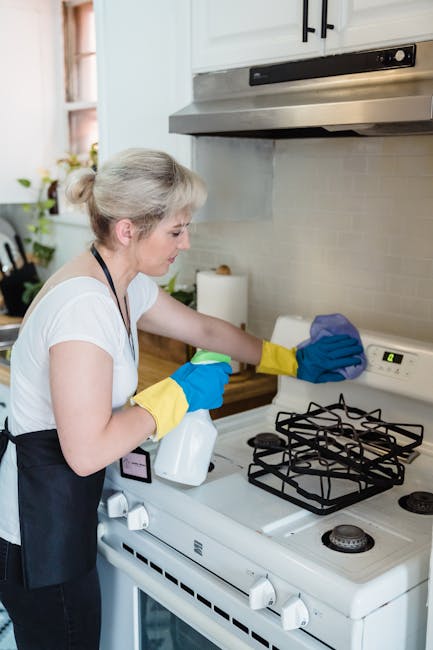
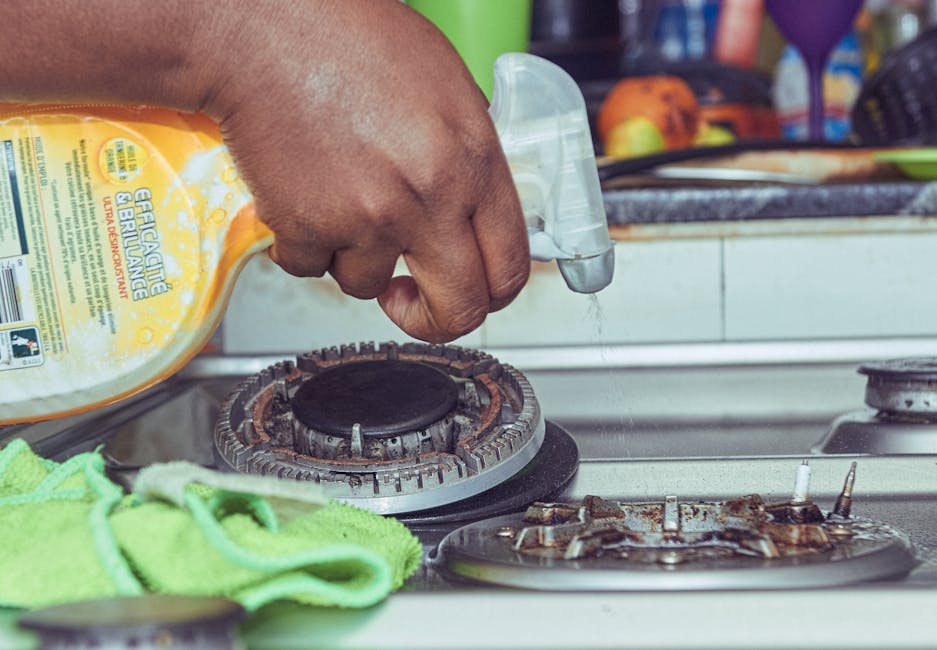
Rayners Lane Oven Cleaning and Kitchen Deep Clean Harrow: A Practical Guide for a Cleaner, Safer Kitchen
If your oven has started smoking a little when it heats up, or your kitchen never quite feels clean no matter how long you spend wiping surfaces, you are not alone. Rayners Lane oven cleaning and kitchen deep clean Harrow is the kind of service people usually look for when everyday cleaning has reached its limit and the space needs a proper reset. That might be after months of busy cooking, before a family gathering, after a tenancy change, or simply because the build-up has become impossible to ignore.
In a kitchen, grime does not stay in one place. Grease settles on extractor fans, splashbacks, cabinet handles, kickboards, tiles, and the little seams around appliances. Food residue hardens in the oven, and then the whole room starts to feel heavier. A proper deep clean goes beyond surface shine. It removes the film, the smell, and the hidden build-up that makes your kitchen harder to keep fresh. This guide explains what to expect, what to check, and how to decide whether a targeted oven clean, a kitchen deep clean, or both will give you the best result.
To make the next step easier, you can also explore the team's background and approach, review pricing and quote details, or look at health and safety commitments if you want reassurance before booking.
Table of Contents
- Why Rayners Lane oven cleaning and kitchen deep clean Harrow matters
- How Rayners Lane oven cleaning and kitchen deep clean Harrow works
- Key benefits and practical advantages
- Who this is for and when it makes sense
- Step-by-step guidance
- Expert tips for better results
- Common mistakes to avoid
- Tools, resources and recommendations
- Law, compliance, standards, or best practice
- Options, methods, or comparison table
- Case study or real-world example
- Practical checklist
- Conclusion
- Frequently asked questions
Why Rayners Lane oven cleaning and kitchen deep clean Harrow Matters
A kitchen is one of the most heavily used rooms in any home, and in Harrow the pace of daily life can make it even easier for mess to build up quietly. You cook, you tidy, you promise yourself you will sort the oven at the weekend, and then life happens. Before long, the oven door looks cloudy, the hob feels tacky, and the extractor fan has that slightly stale smell that no amount of quick wiping seems to fix.
That is where a proper oven clean and kitchen deep clean earns its keep. Not because it is glamorous. Far from it. But because kitchens work better when they are genuinely clean, not just visually tidy. Grease can affect the performance of appliances, burnt residue can cause odours, and crumbs or sticky patches create the sort of environment that makes everyday cleaning feel like a losing battle. A deeper clean restores a sensible baseline. From there, maintenance becomes far easier.
There is also a comfort factor that people underestimate. When the oven glass is clear, the worktops feel smooth, and the sink area no longer smells faintly of last Tuesday's roast potatoes, the whole room feels calmer. That sounds small, maybe even obvious, but it changes how a home feels. A clean kitchen is easier to enjoy.
For renters, landlords, and homeowners preparing for guests, there is a practical side too. A thorough kitchen clean helps present the property well, especially in older homes where dirt has a habit of collecting in corners and behind appliances. If you are comparing service quality or deciding whether to book, it can help to read more about the company's insurance and safety approach and service terms so you know what to expect before anyone steps through the door.
Key takeaway: oven cleaning and kitchen deep cleaning are not just about appearance. They improve hygiene, reduce odours, make cooking more pleasant, and help you stay on top of a room that gets used every single day.
How Rayners Lane oven cleaning and kitchen deep clean Harrow Works
Every good cleaning job starts with assessment. A professional cleaner will usually look at the oven type, the level of grease, the condition of racks and trays, and the surrounding kitchen areas that need attention. A compact flat kitchen with light surface dust is a different job from a family kitchen with heavy cooking residue, limescale around the sink, and a fryer smell embedded in the extractor filter. Same postcode, very different reality.
For the oven itself, the process generally involves removing loose parts where safe to do so, treating carbonised grease, cleaning interior surfaces, restoring the glass, and dealing with trays, racks, and sometimes the door seals. The idea is to strip away the baked-on residue without damaging the appliance. That matters more than people think. Harsh scrubbing can scratch finishes or leave residues behind, and a rushed job often just moves grime around.
A kitchen deep clean is broader. It usually includes grease removal from splashback areas, detailed work on cupboard fronts, skirting boards, handles, switches, splash zones around the hob, sink descaling where appropriate, and those awkward spots behind bins or appliances. If the service is truly thorough, it should also address the points you notice most after the clean: the fresh smell, the lack of stickiness, and that crisp look around the hob and worktops. You know it when you see it.
There is usually a clear difference between a standard tidy-up and a deep clean. A tidy-up makes the room usable. A deep clean changes the condition of the room. That distinction is useful if you are trying to decide what to book, because a quick wipe will not remove months of grease from an extractor cover, and an oven clean on its own will not solve a kitchen with dust, food debris, and sticky cabinet handles everywhere.
Key Benefits and Practical Advantages
The best argument for professional kitchen cleaning is not abstract cleanliness. It is what you gain day to day. A cleaner oven heats more evenly when it is not surrounded by layers of burnt residue. A cleaner hob feels less grim to use. A kitchen that has had a proper deep clean becomes easier to maintain, because you are starting from a better place.
Here are the benefits people usually notice first:
- Less lingering grease and food smell across the room.
- Better visual presentation of oven glass, hob areas, and cupboard fronts.
- Improved hygiene in food preparation areas.
- Less risk of dirt hardening into a more stubborn problem later.
- Faster weekly cleaning because the heavy build-up has been removed.
- More confidence before visits, inspections, or handovers.
There is also a psychological benefit, which sounds a bit fluffy until you experience it. A kitchen that feels clean changes your habits. You are more likely to cook, more likely to wipe as you go, and less likely to avoid the oven because opening the door reveals a small disaster. Let's be honest, we have all had that moment.
If you are comparing service providers, it is worth checking practical trust signals as well as the cleaning itself. Pages like payment and security information and privacy information can help you understand how your booking and details are handled. Not exciting, but important.
Who This Is For and When It Makes Sense
This service makes sense for a surprisingly wide range of people. Families with busy cooking routines often notice the need first, especially if the oven gets used several times a week for roasts, tray bakes, pasta dishes, or anything that splatters. If the kitchen is the hub of the house, it gathers the most wear. Simple as that.
It is also useful for:
- Tenants preparing for the end of a tenancy or trying to avoid a complaint about cleanliness.
- Landlords and letting agents who need a property to present well between occupancies.
- Homeowners planning a big seasonal reset.
- Busy professionals who want the job done properly without spending their only free day at the sink.
- Households with pets or children where spillages and fingerprints seem to multiply overnight.
- Anyone with an oven that smokes, smells, or looks tired even after normal cleaning.
The service also makes sense before a special event. A family meal, a house viewing, a moving day, or just the January reset people always talk about and sometimes actually do. If you are not sure whether you need a full deep clean or just the oven, a useful rule is this: if multiple surfaces feel affected, not just the appliance, the broader clean is usually the better option.
And if you want to understand the business behind the service before booking, the about us page is a sensible place to start. It is often the fastest way to get a feel for how a local cleaning company works.
Step-by-Step Guidance
If you are booking or planning the work yourself, a good process makes everything smoother. There is no magic to it. Just method.
1. Assess the condition of the oven and kitchen
Start by looking at what really needs attention. Check the inside of the oven, racks, trays, seals, hob, extractor, splashback, cupboard fronts, sink area, and high-touch points like handles and switches. If there is grease on several different surfaces, that is a strong sign the job needs a full deep clean rather than spot treatment.
2. Clear access to the areas being cleaned
Move small items off worktops, empty the sink, and remove anything fragile from the cooking area. You do not need to strip the kitchen bare, but giving the cleaner clear space saves time and reduces the chance of awkward interruptions. Nobody wants to balance around a toaster, a fruit bowl, and a school lunchbox at once.
3. Treat the oven with the right method
Use an approach suited to the appliance condition. Heavy carbon build-up often needs a proper degreasing process, not just a quick spray. Oven racks, shelves, and glass should be cleaned carefully, then rinsed and dried. A rushed finish is easy to spot; the glass looks streaked, or there is still a faint burnt smell when the oven warms up.
4. Deep clean the kitchen in zones
Work methodically: top surfaces first, then mid-level fronts and appliances, then lower areas, then floor edges and corners. That order helps avoid moving dirt back onto already-clean areas. It also makes the job feel less overwhelming. When people try to do everything at once, they usually miss the dusty bit under the toaster or the sticky patch by the bin.
5. Finish with inspection and light maintenance advice
A proper clean should end with a walk-through. Check for smears, missed marks, and any areas that may need a second pass. Then set up a light maintenance plan so the kitchen stays manageable. Wiping hob spills while they are fresh makes a massive difference. Not glamorous, but practical.
Expert Tips for Better Results
There are a few simple habits that make oven cleaning and kitchen deep cleaning go much further. The first is timing. If you leave grease to harden for weeks, it becomes tougher to remove and may need more work. Cleaning after the mess is still fresh is always easier. In our experience, the difference can be dramatic.
Second, don't ignore the invisible places. The top edge of the cooker hood, the ridge behind the hob, the underside of cupboard lips, and the seals around the oven door are often where grime quietly builds. You may not see them every day, but you feel the difference when they are clean.
Third, use the right cloth for the right task. A lint-free cloth is usually better for finishing glass and stainless steel, while a more textured cloth may help with stubborn grease on cupboard fronts. Too much product can leave a film, so less is often better. Funny how cleaning products can make things look cleaner and worse at the same time.
Here are a few more practical tips:
- Ventilate the room while cleaning so the air does not feel heavy.
- Remove loose crumbs before applying wet cleaning products.
- Wipe from top to bottom to avoid recontaminating lower areas.
- Use gentle pressure on decorative finishes and older cabinet paint.
- Check appliance manufacturer guidance if a surface looks delicate.
One last point: if the oven has persistent smoke or smell after cleaning, the issue may not be surface dirt alone. Sometimes residue inside the fan area, tray rails, or seals needs more attention. That is one of those little realities people only discover after they think the job is done.
For service planning and follow-up, contact details can be helpful if you want to ask about room size, appliance types, or special access before booking.
Common Mistakes to Avoid
Most kitchen cleaning mistakes are not dramatic. They are small, repeated, and annoyingly effective at wasting effort.
- Using too much product and leaving residue behind.
- Cleaning only what is visible while ignoring edges, seals, and behind-appliance areas.
- Scrubbing delicate surfaces too hard, especially older oven glass or painted cupboard fronts.
- Skipping degreasing and trying to wipe thick grease with water alone.
- Forgetting extraction areas, which can keep holding odours even when the rest looks clean.
- Not drying properly, which leaves streaks and dull patches.
A common one is assuming the kitchen is "basically clean" because the worktops look fine. Then you touch the cupboard handle or open the oven door and, well, the truth makes itself known. Another mistake is leaving the floor until last and then dragging dust or grease back across it while finishing the higher surfaces. Easy to do. Annoying to fix.
If you are booking a service, it is also worth reading the complaints procedure before you need it. Hopefully you never will, but knowing how an issue would be handled is part of a sensible buyer decision.
Tools, Resources and Recommendations
The right tools make a visible difference, but the real value is in using them properly and in the right order. For a kitchen deep clean, you usually need a combination of grease remover, microfibre cloths, non-scratch pads, a vacuum or handheld tool for crumbs, and a safe way to lift dirt from corners and seams. For ovens, specialist attention is often useful because the job is part cleaning, part careful restoration.
Here is a simple comparison of common cleaning approaches:
| Method | Best for | Strengths | Limitations |
|---|---|---|---|
| Basic wipe-down | Light everyday mess | Fast, low effort, good for maintenance | Will not remove heavy grease or baked-on residue |
| DIY deep clean | Moderate build-up | Flexible and low cost if you have time | Can be slow, messy, and easy to under-clean hidden areas |
| Professional oven clean | Heavy oven grime | More thorough, better finish, less hassle | Usually costs more than doing it yourself |
| Full kitchen deep clean | Widespread grease and residue | Covers surfaces, touchpoints, and awkward spots | Takes longer and needs a clear plan |
For most households, the best approach is a mix of routine upkeep and occasional professional help. A weekly wipe-down keeps things manageable. A deeper service restores the kitchen when routine cleaning is no longer enough. That balance is what stops the room from slipping back into chaos. Or near-chaos, which is often the more honest description.
If you are looking at next steps, the pricing and quotes page is a useful place to check how costs are approached, while recycling and sustainability information may matter if you care about waste handling and responsible working practices.
Law, Compliance, Standards, or Best Practice
For domestic kitchen cleaning, there is usually no complicated legal process for the homeowner, but safety and care still matter. Any cleaner working in your home should use sensible hygiene practices, take care around electrical appliances, avoid creating slip hazards, and respect surfaces that may be older or fragile. That is basic best practice, not a special extra.
If you are a landlord, letting agent, or tenant at the end of a tenancy, the practical standard is usually whether the property is left in a clean, presentable, and reasonably hygienic condition. Exact expectations can vary depending on your agreement, but the safest approach is to document the condition before and after cleaning and make sure appliances are left in a usable state. That is the sort of boring admin that saves arguments later.
Trust also matters. A company should be clear about how it handles access, payment, safety, and customer data. Reading pages like payment and security and privacy policy is a sensible habit, especially if you are arranging work remotely or for a property you manage on someone else's behalf.
Best practice also includes transparency. If a cleaner cannot safely remove a part, if a finish is too delicate for abrasive methods, or if some staining is permanent rather than removable, you should be told plainly. Honest expectations are part of good service. That sounds obvious, but it is worth saying out loud.
Options, Methods, or Comparison Table
People often ask whether they should book oven cleaning only, kitchen deep cleaning only, or both together. The answer depends on where the mess is and what outcome you want.
| Option | Best when | What it covers | Typical fit |
|---|---|---|---|
| Oven cleaning only | The oven is the main problem | Interior, glass, racks, trays, door areas | Good for general households with a tidy kitchen |
| Kitchen deep clean only | Surfaces, cupboards, and hygiene are the issue | Worktops, fronts, splash zones, touchpoints, floors | Useful after spills, busy periods, or dust build-up |
| Combined service | The whole room needs resetting | Both appliance and room-wide detailing | Best for end of tenancy, seasonal resets, or heavy use |
If you are unsure, think about the smell test. If the oven smells off when warm, that points to the appliance. If the room itself feels greasy or stale, that points to the wider kitchen. If both are true, the combined route is usually the smarter one. More efficient too, frankly.
Case Study or Real-World Example
A typical example is a family home in Rayners Lane where the oven has been used heavily through winter. Roast dinners, tray bakes, frozen chips, the usual. The oven still works, but the glass has gone cloudy, the hob has a faint sticky ring around it, and the extractor cover has collected a thin layer of grease that nobody quite notices until the kitchen light catches it just right.
In that situation, a quick clean would only improve the visible surfaces for a day or two. A full oven clean and kitchen deep clean changes the whole feel of the room. The oven door becomes clear again, the smell when heating disappears, the cupboard handles stop feeling tacky, and the kitchen no longer seems to cling to yesterday's cooking.
What tends to surprise people is how much cleaner the room looks after the hidden points are dealt with. The skirting near the bin. The edge behind the toaster. The tiny grease spots around the cooker switch. Small things, yes. But together they make the room feel genuinely fresh rather than merely tidied. That is the difference between surface work and proper work.
And because real life is real life, it is usually after this first proper reset that people say, "Right, now I can keep on top of it." That is often the moment the whole service pays off.
Practical Checklist
Use this checklist before, during, or after your clean to keep things simple.
- Clear worktops of loose items and food containers.
- Empty sinks and remove washing-up clutter.
- Check oven condition, including racks, trays, and glass.
- Look for grease around the hob, splashback, and extractor area.
- Wipe or move small appliances if they block access.
- Protect delicate items and keep pets or children away from wet floors.
- Make sure cloths and tools are suitable for the surface.
- Inspect corners, seals, handles, and switch plates.
- Dry surfaces properly to avoid streaks and residue.
- Set a light maintenance routine for the following week.
Simple rule: if you can see build-up in three or more places, a deeper clean is probably justified. No need to overthink it.
Conclusion
Rayners Lane oven cleaning and kitchen deep clean Harrow is ultimately about reclaiming control of one of the hardest-working rooms in your home. When the oven is spotless, the kitchen smells fresher, and the high-touch surfaces are properly cleaned, daily life just feels easier. Cooking becomes less stressful. Tidy-up jobs get smaller. The room stops asking for attention every five minutes.
The best results usually come from combining good routine habits with an occasional thorough reset. That way, you are not constantly fighting stubborn residue or pretending a quick wipe has solved a deeper problem. It keeps things realistic, which is probably the most useful cleaning advice of all.
If you are ready to compare options, understand what is included, or ask a few practical questions before booking, take the next step when it suits you.
Get a free quote today and see how much you can save.
And if this is the week you finally sort the kitchen, good. It will feel better than you expect, honestly.
Frequently Asked Questions
What does Rayners Lane oven cleaning and kitchen deep clean Harrow usually include?
It typically includes a detailed oven clean plus broader kitchen work such as grease removal from surfaces, cupboard fronts, splashbacks, handles, switches, and other high-touch areas. The exact scope depends on the property and the condition of the room.
How often should I book an oven clean?
That depends on how often you cook and how much grease builds up. Many households book when the oven starts to smoke, smell, or look visibly dirty rather than on a fixed schedule. Heavy users may need it more often.
Is a kitchen deep clean the same as a regular house clean?
No. A regular clean usually covers maintenance tasks. A deep clean is more detailed and focuses on build-up, hidden dirt, and areas that are often skipped in weekly cleaning.
Can a deep clean remove old grease from cupboard doors?
Often, yes, if the grease has not damaged the finish. Older or heavily layered residue may take more time, and in some cases the result will be improved rather than fully restored. Honest expectations matter here.
Do I need both oven cleaning and kitchen deep cleaning?
If the oven is the main issue, oven cleaning alone may be enough. If the whole kitchen feels sticky, dusty, or tired, a combined service is usually better value and gives a more complete result.
How long does the cleaning normally take?
Timing varies with oven size, grime level, and how much of the kitchen is being deep cleaned. A lightly used kitchen is quicker than a busy household with heavy residue and several appliances to detail.
Will the cleaner need to move appliances?
Sometimes, yes, especially if there is dirt behind or underneath them. This should be handled carefully and only where safe and practical. If access is tight, it is best to discuss it in advance.
Are cleaning products safe around food areas?
They should be used carefully, with proper wiping and drying afterwards so no residue remains. Good practice is to keep food, utensils, and preparation items away from wet surfaces until the area is fully finished.
What should I do before the cleaner arrives?
Clear clutter from worktops, remove small items from around the oven, and make access as easy as possible. That helps the job go faster and reduces the chance of overlooked areas.
How do I know if a service provider is trustworthy?
Look for clear information about the company, pricing, safety, insurance, payment handling, and customer policies. If those details are easy to find and explain things plainly, that is a good sign.
What if I am unhappy with the result?
A reputable company should have a clear way to raise issues and resolve them. It is sensible to check the complaints process beforehand so you know how concerns would be handled if something is missed.
Can deep cleaning help with kitchen odours?
Yes, often it can. Many lingering smells come from grease, residue, or dirt in hidden places rather than from one obvious source. Once those areas are cleaned properly, the room usually smells much fresher.
Is there a difference between kitchen deep cleaning in a flat and in a house?
The method is similar, but the scale can differ. Flats often have compact kitchens with tight access, while houses may have larger cooking areas, more storage, and more surfaces to detail. The cleaner should adapt to the space.
Where can I check more about booking and service details?
You can review the company's pricing and quotes, then use the contact page if you want to discuss your kitchen before booking.